U.S. Renewable Energy Facts: Solar, Wind, and the Future of Clean Power
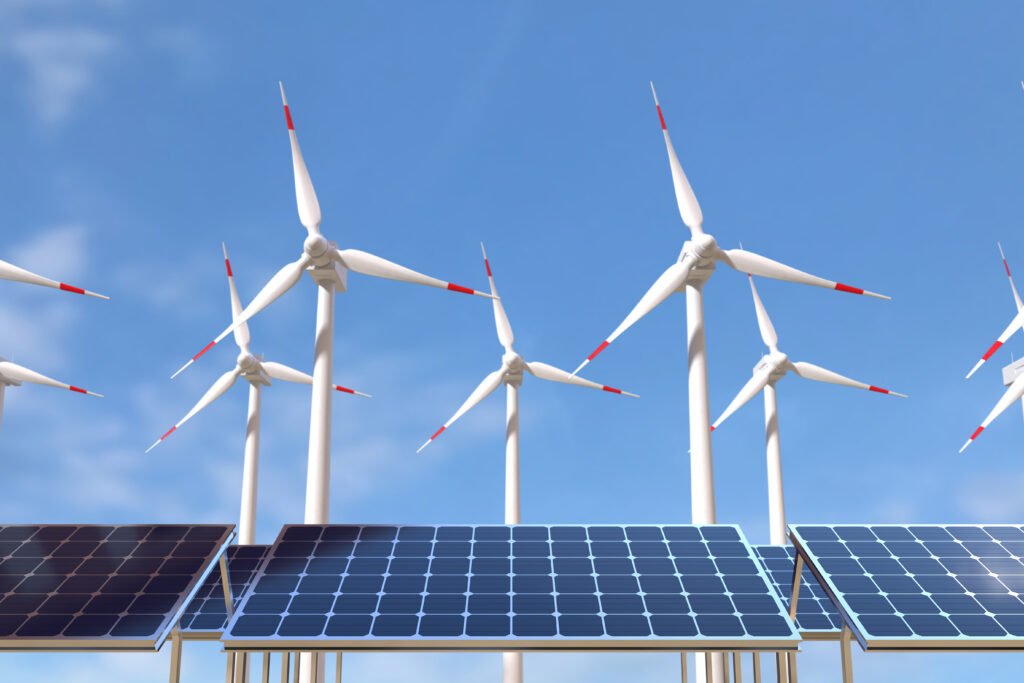
U.S. Renewable Energy continues to grow as the nation stands as the second-largest consumer of renewable energy after China. In 2024, renewables made up around 14 percent of global consumption, and the U.S. used roughly 8.6 quadrillion British thermal units (BTUs) of renewable sources. Renewable power supplied 24 percent of the nation’s electricity that year, continuing a steady upward trend. Falling costs, supportive state programs, and growing public demand for sustainability continue to strengthen this sector’s rise in the national energy mix.
Wind Energy Leading the Renewable Charge
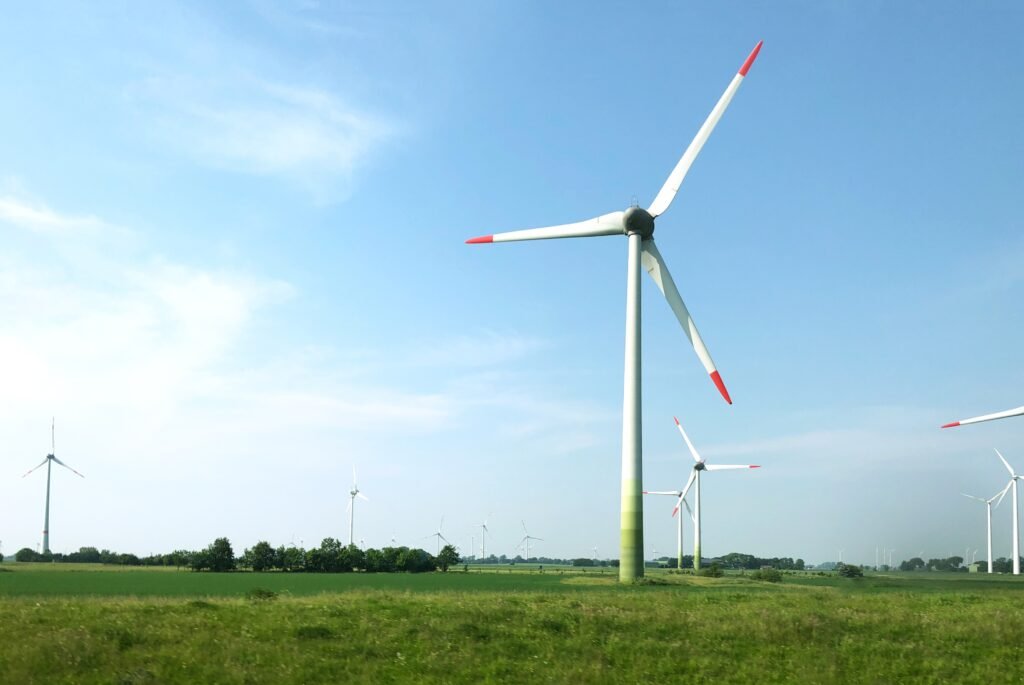
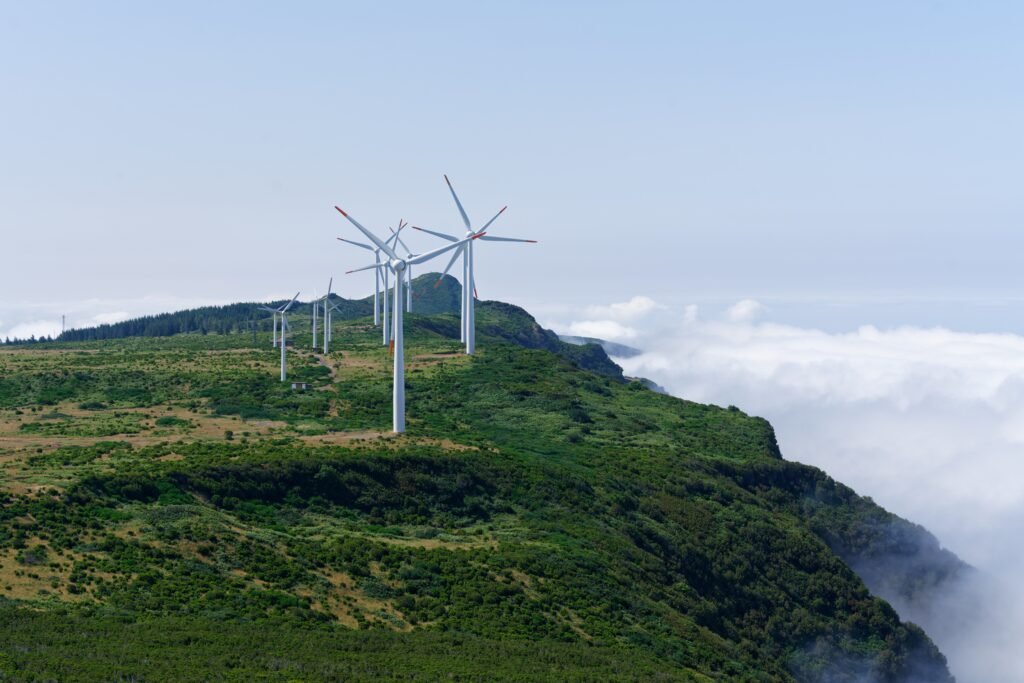
Wind energy remains the top source of renewable electricity in the country. By 2024, total installed capacity had reached about 154 gigawatts. Wind farms generated more than 450 terawatt hours of power that year, primarily across the Midwest and Texas. These regions benefit from consistent wind conditions and vast open land. Though federal policy changes have delayed some new projects, private investment remains strong. Wind power’s low operational costs and stable output make it central to the U.S. clean energy strategy.
Solar Power Shining Brighter Each Year
Solar energy is the fastest-growing renewable technology across the nation. In 2024, solar facilities produced approximately 218 terawatt hours of electricity. Western states such as California, Arizona, and Nevada lead installations, but adoption is now spreading across the country. The affordability of solar panels and supportive local incentives have driven widespread installation of rooftop and utility-scale systems. With costs continuing to fall, solar power is expected to challenge wind as the leading renewable energy source within the next decade.
Hydropower Remaining a Steady Contributor
Hydroelectric energy continues to provide a reliable share of U.S. electricity, though growth has slowed. Most suitable dam locations are already developed, limiting new projects. Hydropower output has stayed near 260 terawatt hours annually, largely from facilities in the Pacific Northwest. While expansion potential is small, hydro remains essential for grid balance and stability, offering consistent energy during peak demand and complementing variable sources like wind and solar.
Biomass and Geothermal Energy in the Mix
Biomass and geothermal power, though smaller in scale, play key roles in diversifying renewable energy production. It uses organic materials such as wood waste, crop residues, and landfill gas to generate power. Geothermal energy, concentrated mainly in California and Nevada, provides steady generation independent of weather conditions. Together, these sources produce under 100 terawatt hours per year. Their reliability and ability to operate around the clock make them valuable assets in a renewable-based energy system.
Looking Ahead to the Future of U.S. Renewables
U.S. Renewable Energy consumption is projected to nearly double by 2050, reaching about 19.4 quadrillion BTUs. Even with policy shifts, the clean energy transition is expected to continue as technology improves and demand rises. Many states enforce renewable portfolio standards that require utilities to supply set percentages of power from clean sources. Combined with decreasing technology costs and private investment, these measures ensure consistent long-term growth.
How Policy Shapes Renewable Expansion
Government policies remain central to renewable development. Federal tax incentives have been key to both wind and solar growth over the past decade. However, recent restrictions on federal land leasing have slowed some projects. Despite that, private companies and state initiatives continue to lead renewable adoption. Many major corporations now buy renewable energy directly to meet their sustainability goals, helping maintain steady progress across industries even when federal priorities change.
Barriers the Renewable Sector Still Faces
The path to cleaner power faces a few hurdles. Energy storage solutions, like large-scale batteries, remain costly but essential for managing intermittent supply. The existing grid also needs upgrades to handle the distribution of renewable energy from remote generation sites to urban centers. Lengthy permitting and approval processes can delay projects. Despite these obstacles, innovation and market forces continue to drive growth. Public demand and corporate investment have kept renewables on a strong upward path.
U.S. Renewable Energy Data Snapshot (2024–2050)
| Source | 2024 Generation (TWh) | 2050 Projection (TWh) | Growth Trend |
|---|---|---|---|
| Wind | 450 | 820 | Expanding steadily |
| Solar | 218 | 900 | Fastest growth |
| Hydropower | 260 | 280 | Stable |
| Biomass | 55 | 75 | Gradual increase |
| Geothermal | 18 | 30 |
Moderate rise |
A Cleaner Tomorrow for America
The future of the U.S. Renewable Energy looks promising. Wind and solar continue to lead growth, supported by stable contributions from hydro, biomass, and geothermal sources. Even with policy fluctuations, the shift toward clean energy is clear and irreversible. Technological advances, strong state-level initiatives, and rising environmental awareness are shaping a greener national grid. Renewables are not just an alternative—they are becoming the foundation of America’s energy future, supporting economic resilience and environmental progress together.