Grid Reliability in Crisis: What NERC’s Warning Means for the U.S.
North American Electric Reliability Corporation President Jim Robb has issued a serious NERC grid reliability warning about the U.S. power network. He described the current situation as a “five-alarm fire,” highlighting rising risks despite the grid’s strong overall performance. Robb spoke at a Federal Energy Regulatory Commission meeting, saying small incidents and near-misses are now frequent. These repeated disruptions signal deeper structural issues. While reliability remains high, the balance between supply and growing demand is under increasing stress.
Key Risks Endangering the Grid

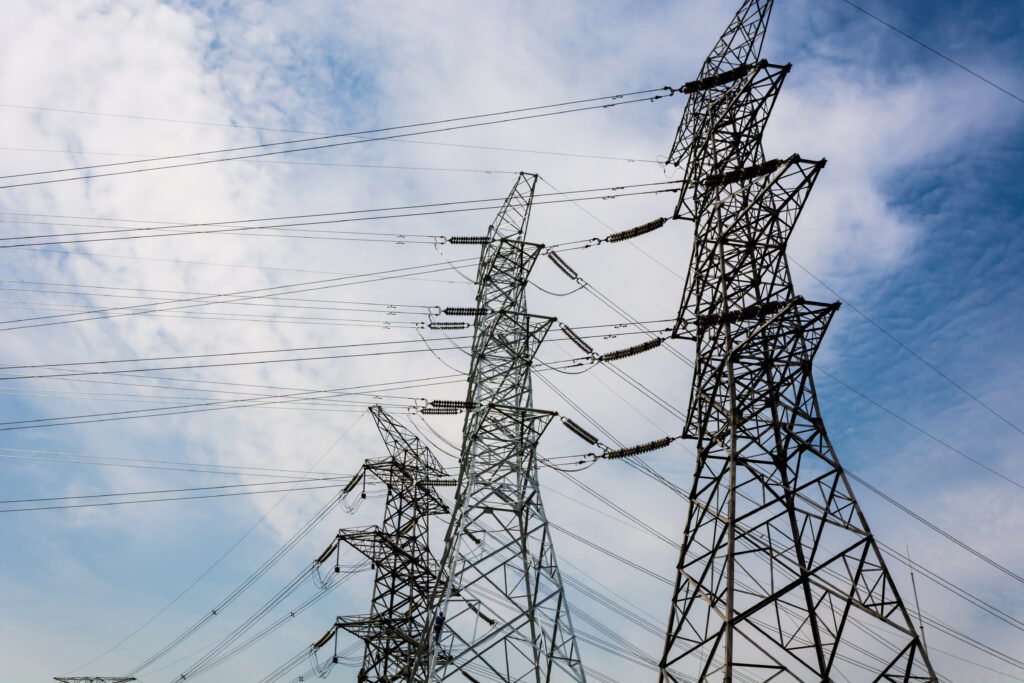
Robb outlined multiple factors that are weakening grid security. He cited extreme weather, aging infrastructure, and dependence on natural gas as key threats. Cybersecurity risks and interconnection challenges add further pressure. The growing link between the grid and telecommunications systems creates additional vulnerabilities. Data shows the grid’s reliability services are diminishing as demand continues to rise. Without rapid action, the combination of physical and digital risks could trigger major disruptions across the country.
Data Centers Adding New Strain
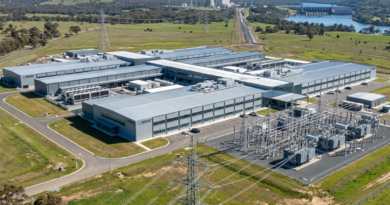
A surge in data center construction has become a major issue for power planners. As artificial intelligence and cloud services grow, these facilities demand enormous amounts of energy. The Department of Energy estimates data centers could consume up to 12 percent of U.S. electricity by 2028, rising from 4.4 percent in 2023. This rapid growth increases the urgency for new power generation and transmission capacity. Regulators now face the challenge of integrating large data loads without reducing reliability or raising costs for consumers. The NERC grid reliability warning highlights that such rapid expansion must align with infrastructure readiness.
Calls for Faster Energy Infrastructure Development
Federal Energy Regulatory Commission Chairman David Rosner stressed the need for rapid infrastructure expansion. He said the grid requires “every single megawatt” to meet future peak demand. Rosner urged quicker permitting and construction of power lines, generation plants, and energy storage systems. He warned that slow planning could lead to dangerous supply shortages. Expanding the grid will require cooperation between federal and state agencies, private developers, and utilities to meet both short-term and long-term needs.
Industry Voices Push for Grid Resilience

Experts across the energy sector echo concerns about shrinking reserve margins. Jennifer Curran of the Midcontinent Independent System Operator said the U.S. is in an unsafe position with limited backup capacity. She called for more “shock absorbers,” including flexible infrastructure and better data tools. Curran emphasized the need for new transmission lines to connect renewable projects and strengthen grid flexibility. Without faster development, grid operators may struggle to handle extreme weather or sudden demand spikes.
Balancing Energy Affordability with Expansion
FERC Commissioner Lindsay See warned that building new energy infrastructure will be expensive. Rising construction and maintenance costs are pushing electricity bills higher nationwide. Some states are protecting consumers by making large industrial users cover the costs of new capacity. In Georgia, for example, data centers sign long-term contracts that fund new generation and transmission. This approach shields residential customers from price hikes while securing reliable energy for industrial growth.
Innovation and Smarter Planning for Long-Term Stability
Industry leaders agree that advanced planning and innovation are vital for strengthening the grid. Matthew Holtz of Invenergy said merchant transmission—funded by private buyers—could reduce public expenses. He also promoted cloud-based monitoring systems to improve coordination and disaster response. Carlos Casablanca of American Electric Power highlighted integrated planning between generation, transmission, and demand. Better coordination can lower costs and improve efficiency, helping utilities prepare for higher energy needs over the next decade.
Powering the Path Ahead
The NERC grid reliability warning serves as a critical reminder that the U.S. grid is at a crossroads. Demand is climbing faster than infrastructure development. The “five-alarm fire” analogy reflects the need for swift, coordinated action. Investing in faster permitting, grid modernization, and cybersecurity will be key to preventing widespread instability. The challenge is clear, but so is the opportunity—to build a more reliable, resilient, and secure energy future for the nation.